10 Minimalist Living Room Designs for Modern, Clutter-Free Spaces
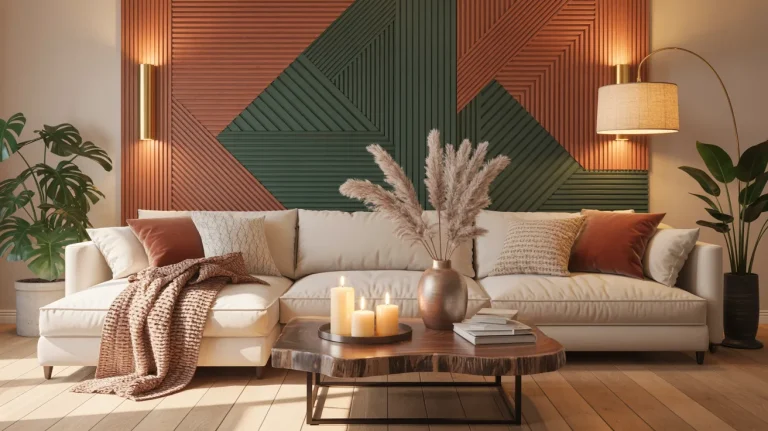
Minimalist living room designs focus on creating calm, clutter-free spaces that promote relaxation and simplicity. They use neutral colors, clean lines, and quality furniture to achieve a balanced, stylish look without overcrowding the room. This approach helps make the living area feel open and welcoming.
The key to minimalist design is choosing timeless decor and smart storage that reduces visual clutter while keeping the room functional and comfortable. Incorporating natural light and simple shapes makes the space feel bright and airy, perfect for everyday living.
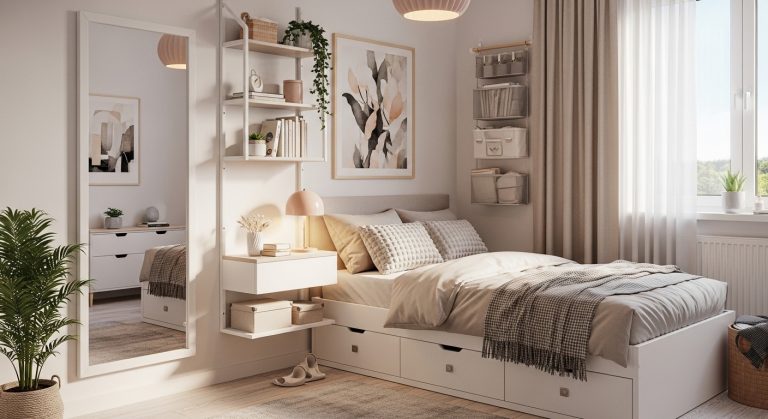
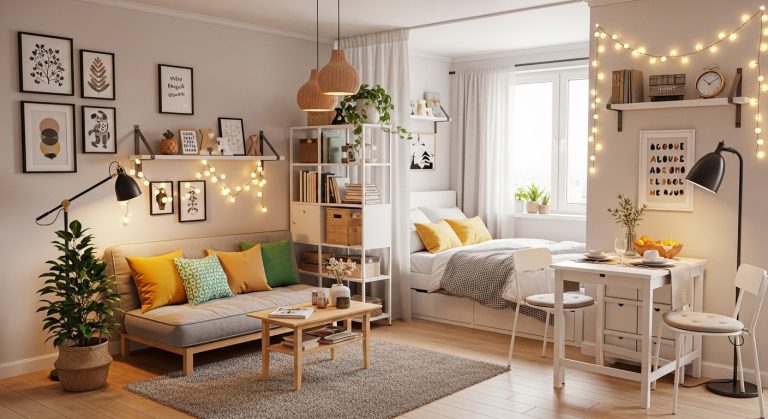
These 10 minimalist living room designs show how to blend style with simplicity, offering ideas that work for different tastes and room sizes. Each design highlights ways to keep the space neat without sacrificing warmth or personality.
Essential Elements of Minimalist Living Room Designs
A minimalist living room focuses on simplicity, purpose, and calmness. Key elements include clear design principles, carefully chosen furniture, and a well-thought-out color scheme. These elements work together to create a space that feels open, functional, and visually balanced.
Key Principles of Minimalism
Minimalism is built on the idea of “less is more.” The space should have only what is necessary, avoiding clutter or excess decoration. Each item must serve a purpose or add clear value to the design.
Open space is important. It makes the living room feel larger and less crowded. Surfaces should remain clean, with limited decorative objects to reduce distractions.
Simplicity governs the layout. Furniture and accessories should be arranged to encourage easy movement and comfort. Balance and symmetry help maintain order without feeling rigid.
Functional Furniture Choices
Furniture in a minimalist living room is simple but practical. Pieces with clean lines and no extra embellishments are ideal. The focus is on durability and usefulness rather than ornate designs. If you enjoy creative ideas, check out these DIY room decor projects with household items to add functional yet stylish touches.
Multi-purpose furniture adds value. For example, a coffee table with storage or a sofa bed maximizes space without adding clutter. Seating should be comfortable but not oversized.
Materials like wood, metal, and leather are common because they look sleek and wear well. The shape and scale of furniture must fit the room size to maintain open flow and avoid overcrowding.

Color Palette Selection
Neutral colors are a foundation of minimalist design. Shades like white, beige, gray, and soft pastels help create a light and airy atmosphere. For more inspiration, explore these neutral living room decor ideas that keep spaces calm and cozy.
Accent colors are used sparingly. A single bold item or piece of art can add interest without overwhelming the space. This restraint supports the minimalist goal of visual harmony.
Matte finishes and natural textures enhance subtlety. They prevent the room from feeling flat while keeping the overall tone soft and inviting. Bright or busy patterns are typically avoided in minimalist rooms.
Top 10 Minimalist Living Room Design Ideas
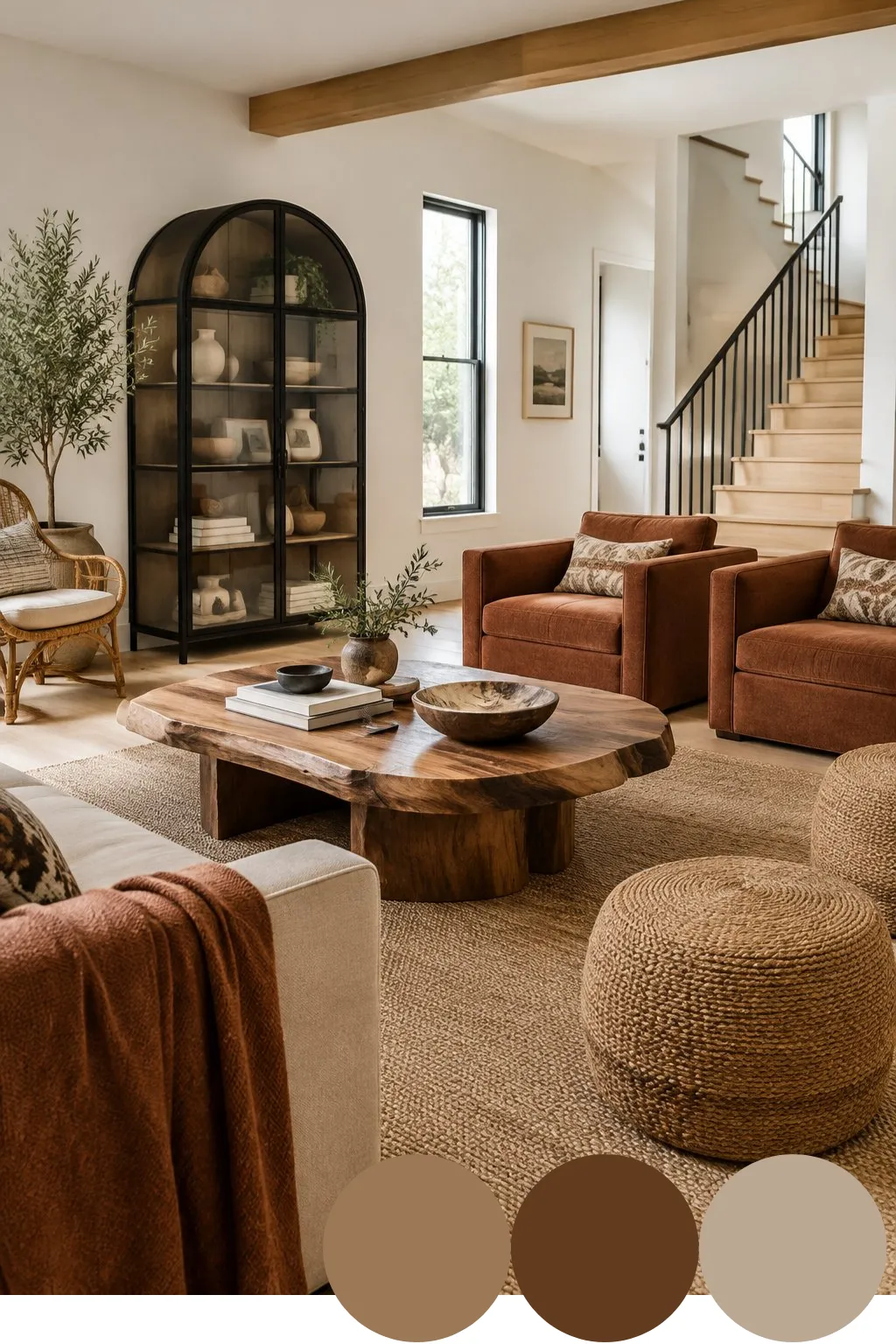
Minimalist living rooms focus on clean lines, functional furniture, and a calm color palette. Key methods include using natural materials, limiting color to simple schemes, and integrating light in a way that brightens the space without clutter.
Scandinavian-Inspired Minimalism
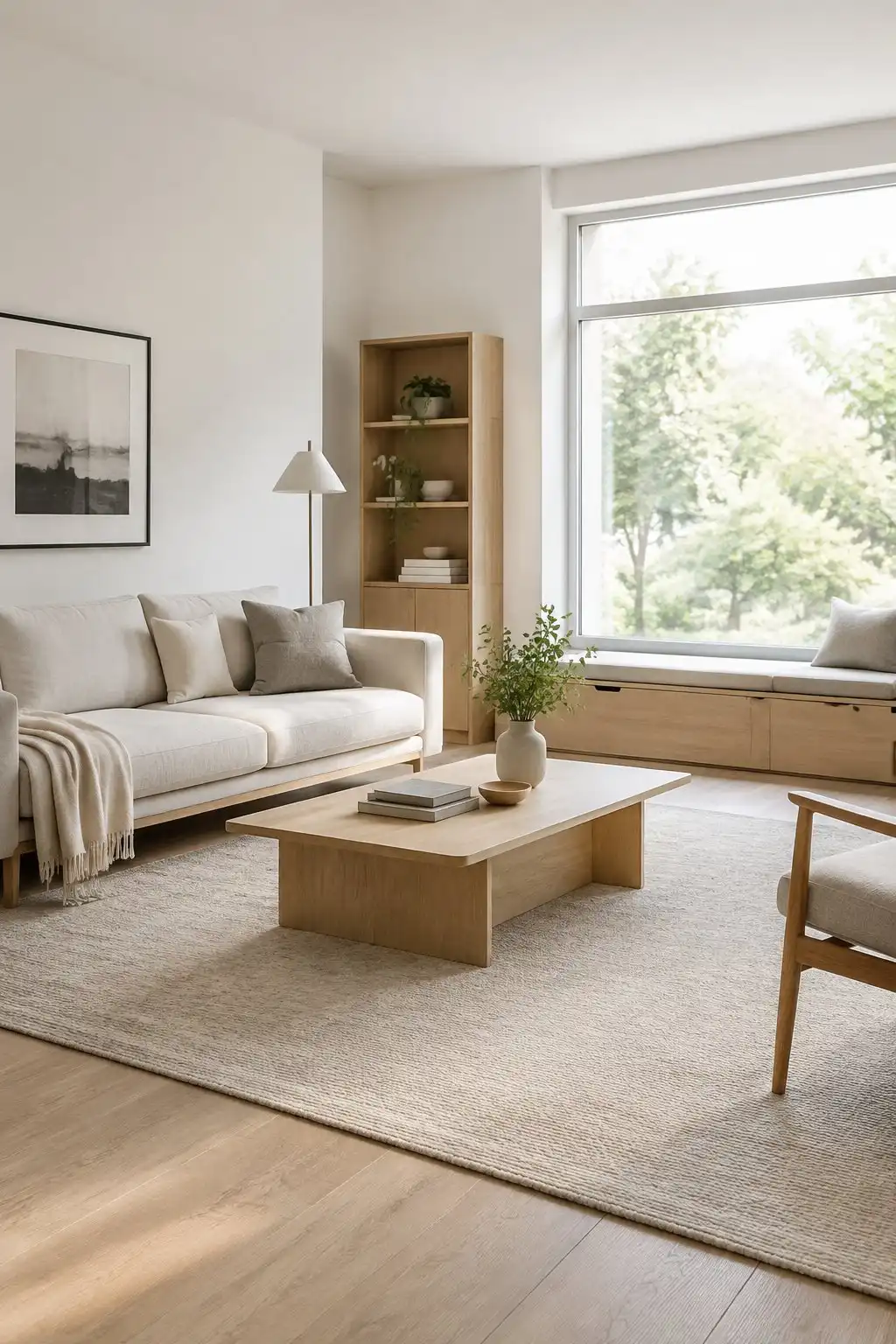
This style relies on light wood furniture and simple shapes to create an open, airy feeling. Walls often stay white or pale gray, enhancing natural light. Textiles like wool or linen bring warmth without heaviness.
Functional storage is built in to keep everyday items hidden. The style favors pieces that serve more than one purpose, such as a bench with storage or a sofa bed. Minimal artwork, often black and white, adds subtle interest without crowding the room.
Monochrome Modern Living Rooms
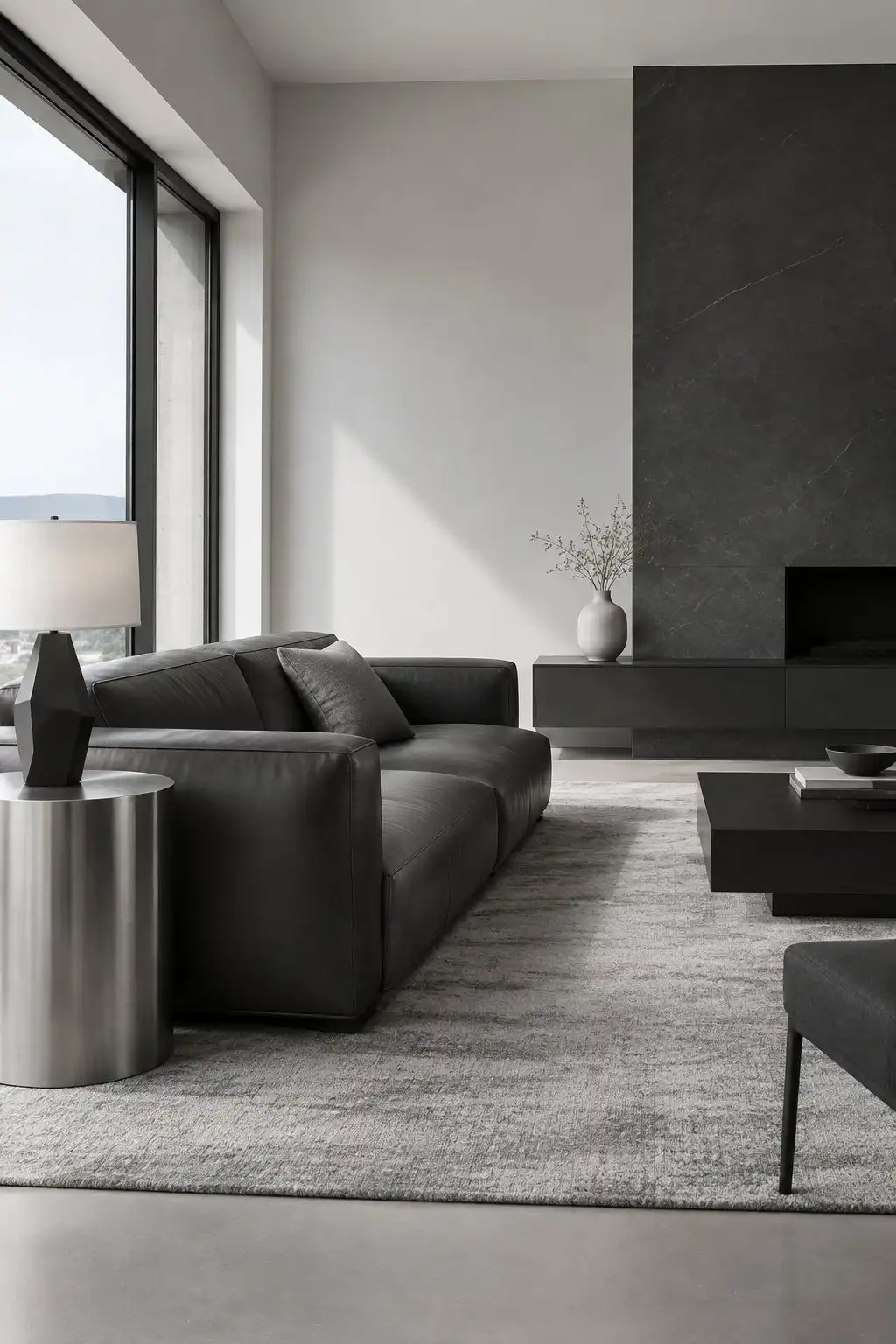
Monochrome spaces use shades of one color, often black, white, or gray, to achieve a sleek, unified look. Furniture in smooth finishes like leather or metal adds a modern edge. This approach lets small design details, like a geometric lamp or textured rug, stand out without overwhelming the senses.
Contrast between dark and light tones defines shapes and creates depth. Surfaces remain clear, and accessories are chosen sparingly, such as a single vase or a simple clock.
Nature-Inspired Minimalist Spaces
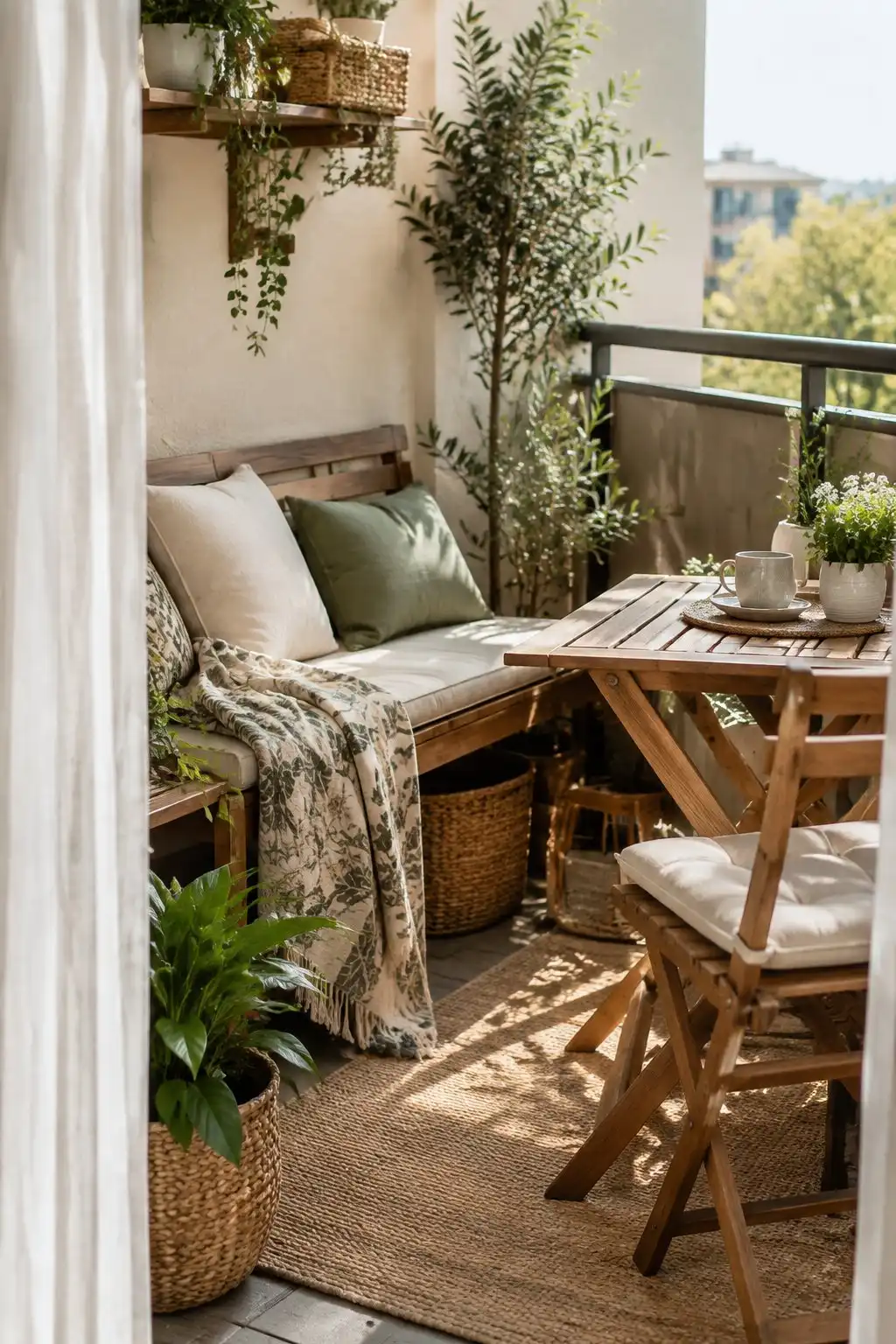
Bringing natural elements indoors helps balance minimalism’s simplicity with comfort. To extend the natural feel beyond your living room, you can try these small balcony ideas for creating a fresh and cozy outdoor corner. Wood furniture, stone accents, and plants add texture and organic warmth. Colors reflect the outdoors with earthy browns, soft greens, and beige.
Natural light is maximized, with large windows or sheer curtains. Accessories are selected to echo nature’s forms, like leaf-patterned throws or ceramic pots. Storage solutions use natural materials, like woven baskets, that blend with the setting.
Layout and Space Optimization
Effective use of space is key in minimalist living room design. The goal is to create an area that feels open and uncluttered while remaining practical and inviting. Two important strategies are using open floor plans and maximizing natural light to enhance the room’s flow and brightness.
Open Floor Plans
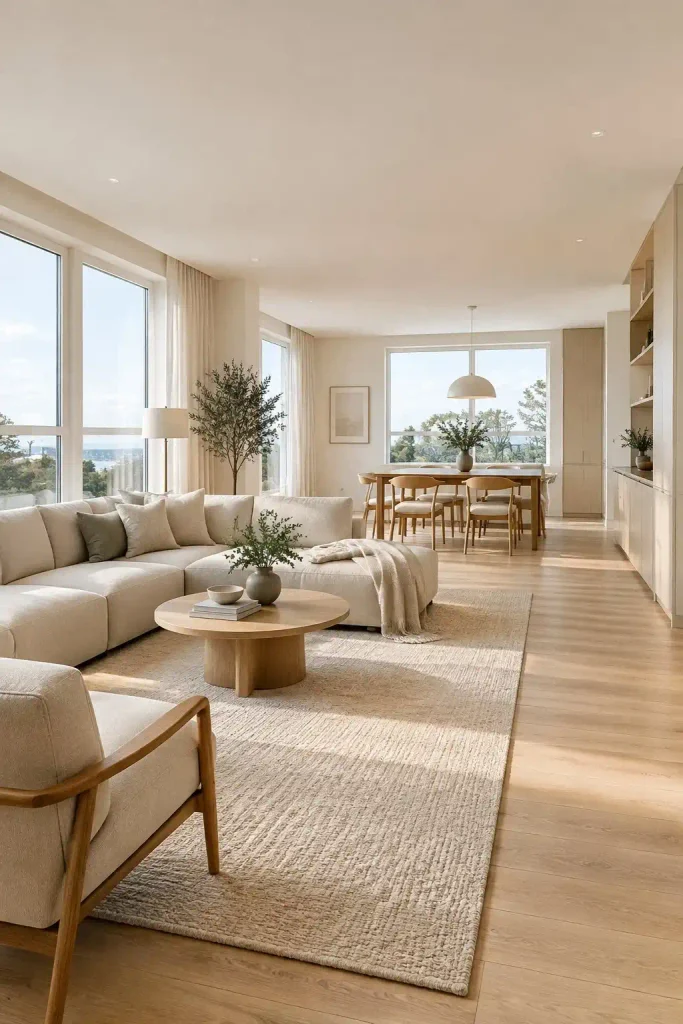
Open floor plans remove unnecessary walls and barriers to create a more spacious feel. This layout allows furniture to be arranged for easy movement and clear sightlines across the room. It encourages a flow between living areas, making the space feel larger than it is.
Furniture with clean lines and simple shapes fits well in open spaces. Built-in storage solutions help keep items out of sight, maintaining a tidy appearance. Using rugs or lighting can define zones within the open plan without adding clutter or bulk.
Maximizing Natural Light
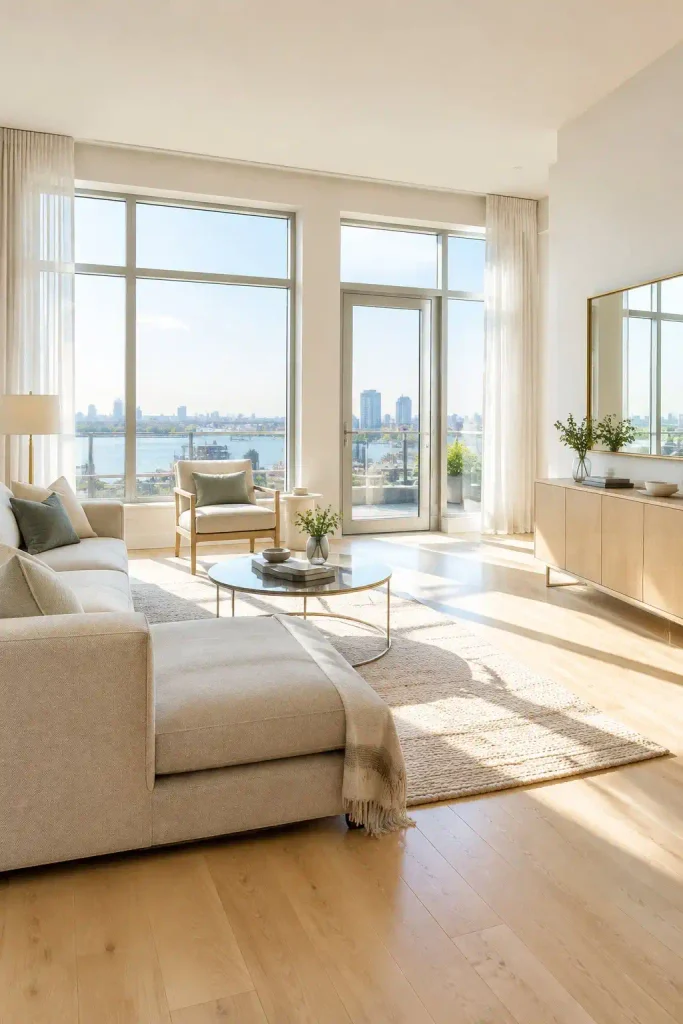
Natural light brightens the room and makes it feel more open and welcoming. Large windows, glass doors, or skylights bring in daylight and reduce the need for artificial lighting. Keeping window treatments minimal or sheer allows more light to enter.
Light-colored walls and reflective surfaces further increase brightness by bouncing light around. Positioning mirrors opposite windows can amplify this effect. Avoid blocking windows with large furniture to maintain an unobstructed flow of natural light throughout the room.
Minimalist Decor Accessories
Minimalist living rooms benefit from carefully chosen accessories that add character without clutter. Lighting and texture play key roles in boosting style and comfort while keeping the space simple and functional.
Statement Lighting Fixtures
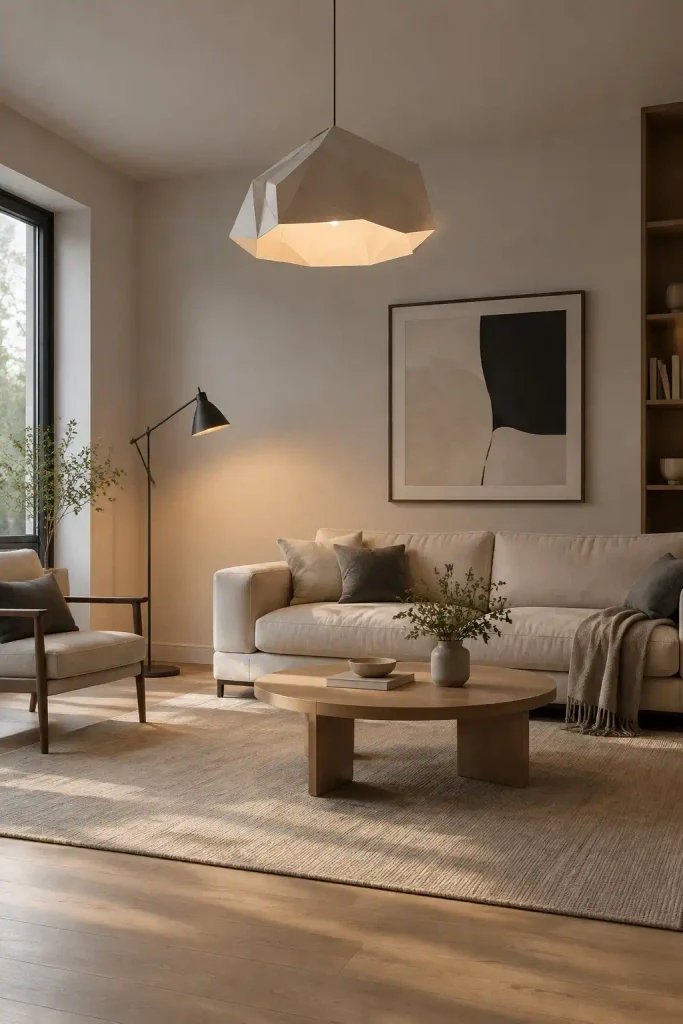
Lighting in a minimalist living room should serve both form and function. A bold fixture, like a geometric pendant or a sleek floor lamp, can act as a centerpiece without overwhelming the room.
Choosing lighting with clean lines and neutral finishes—such as matte black, brushed metal, or white—keeps the look cohesive. Adjustable lamps or dimmable options offer practical benefits that enhance the mood and usability of the space.
Proper lighting helps highlight other design elements, like artwork or furniture, by drawing the eye naturally. It supports the minimalist goal of simplicity while adding subtle drama and depth.
Textural Contrast With Rugs
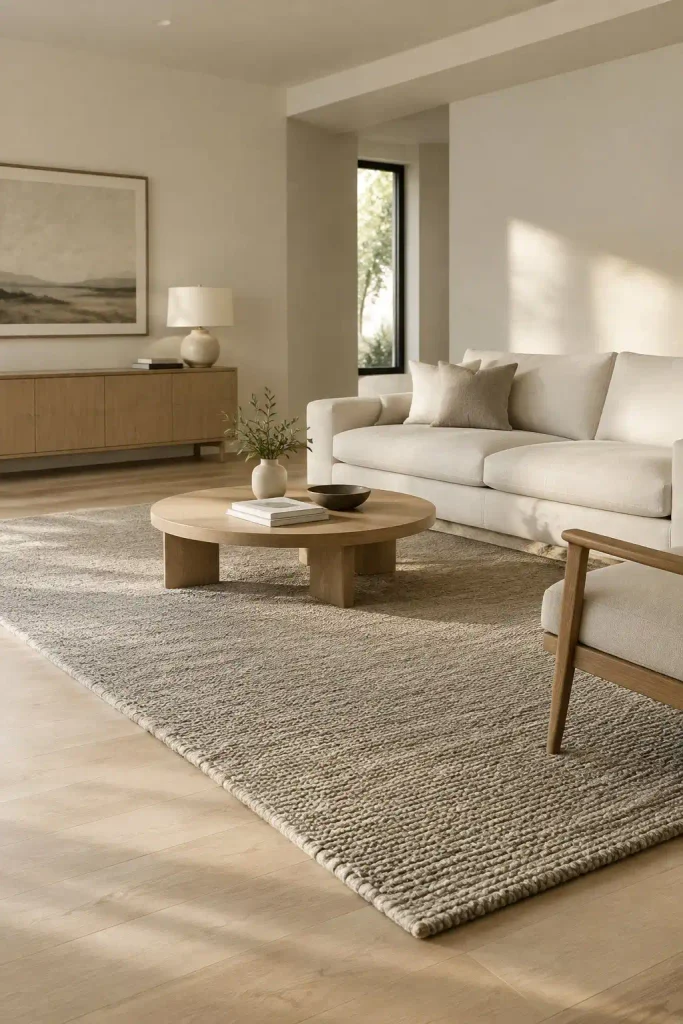
Rugs add a layer of comfort and interest to minimalist rooms without disrupting the clean design. Natural fibers like wool, jute, or cotton work well to introduce softness and warmth.
Textured rugs with low or medium pile help keep the look simple but tactile. Neutral colors, such as grays, creams, or soft earth tones, blend easily with a minimalist palette.
A well-chosen rug anchors furniture and defines areas like seating or reading corners. It brings balance by contrasting smooth surfaces, such as hardwood floors or sleek upholstery, making the space feel complete and inviting.
Material Selection for Minimalist Living Rooms
Choosing the right materials helps create a clean, calm, and stylish living room. It is important to pick materials that feel natural and add texture without creating clutter. Quality and simplicity should guide these choices.
Natural Wood and Stone
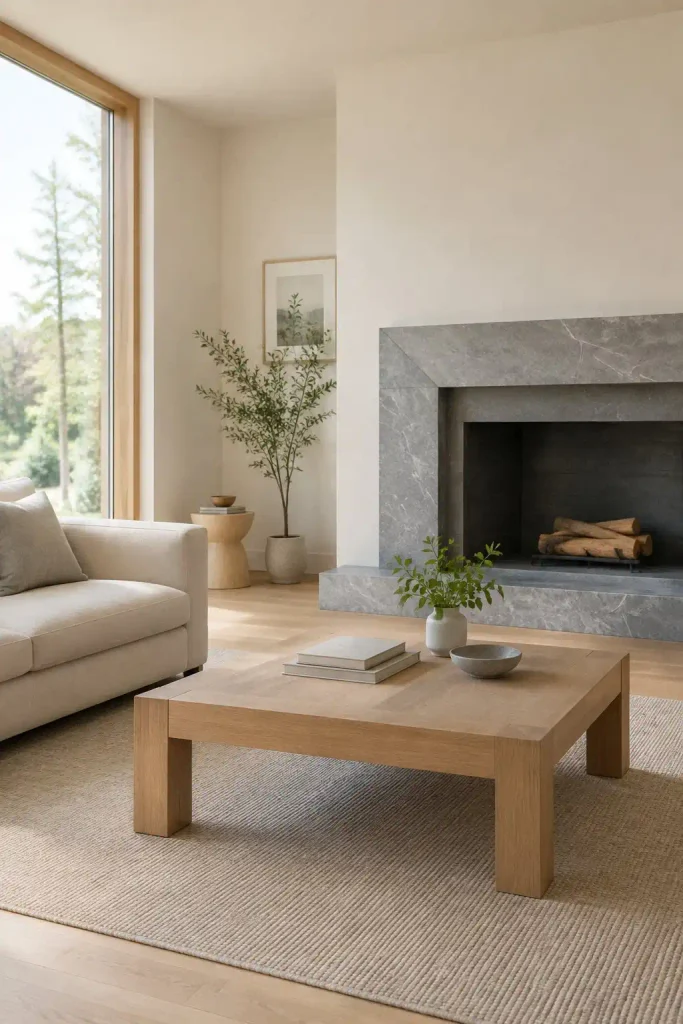
Natural wood is a popular choice for minimalist living rooms because of its warmth and timeless look. It works well for floors, furniture, and accent pieces. Light or medium wood tones like oak or maple keep the space bright and inviting. The grain patterns add subtle texture without overwhelming the room.
Stone, such as marble or slate, adds a solid and elegant touch. It is often used for tabletops or fireplace surrounds. Stone surfaces are durable and provide cool contrast to warmer wood elements. Both wood and stone should be finished simply, avoiding heavy stains or glossy coatings to keep the natural appearance clear and honest.
Glass and Metal Accents
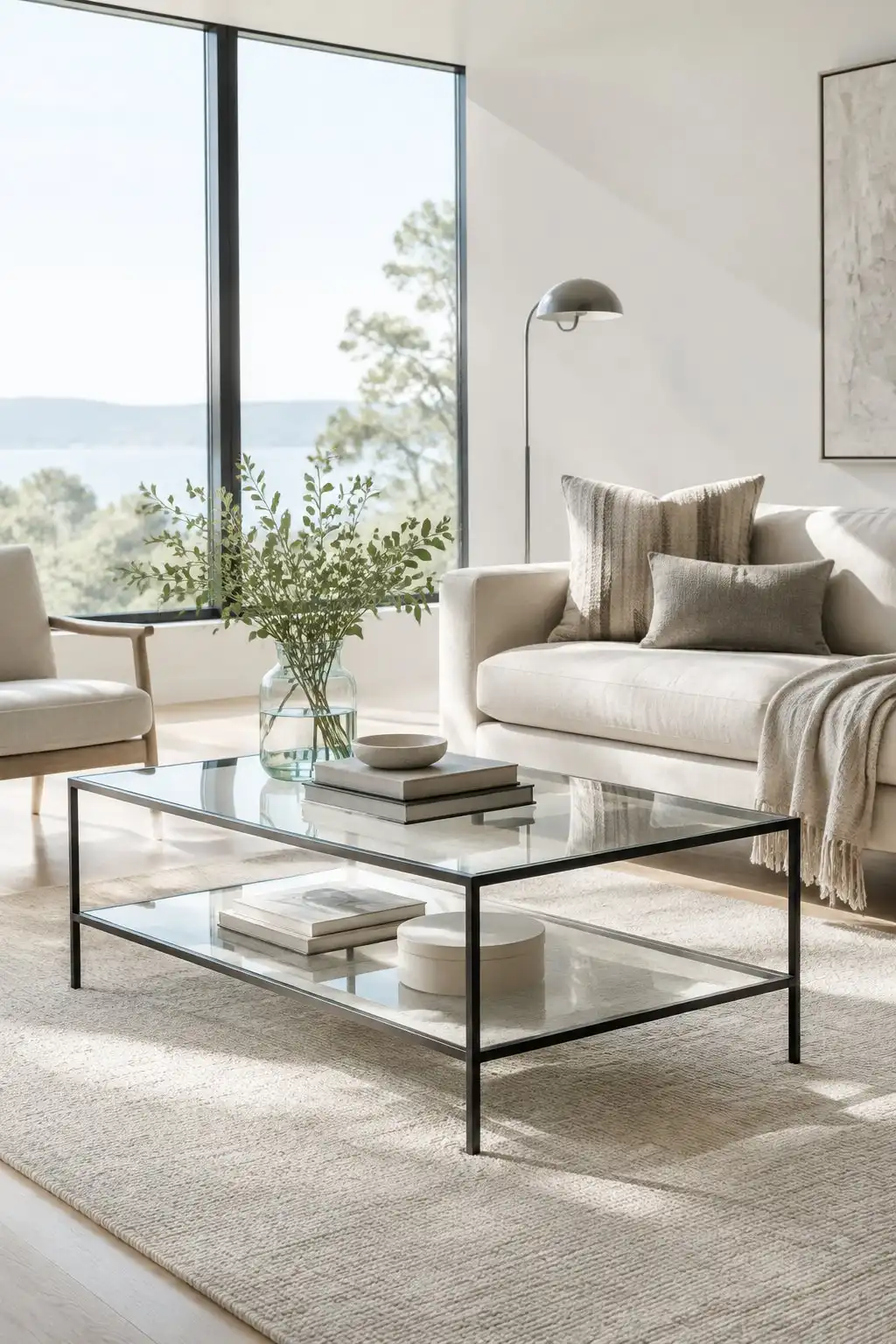
Glass is valued for its transparency and ability to open up space. Clear glass tables or shelves keep the room feeling light and airy. It also reflects natural light, enhancing the minimalist aesthetic.
Metal accents, often in matte black, brushed nickel, or stainless steel, introduce modern sophistication. Metals are used in furniture frames, light fixtures, and decorative objects. These finishes should be matte or satin to avoid shiny distractions. Combining glass and metal creates a balanced look that is sleek but not sterile, contributing to a functional and stylish minimalist living room.
Storage Solutions for Clutter-Free Living
A clutter-free living room depends on smart storage methods that hide or minimize items without sacrificing style. Using space wisely and choosing pieces that provide extra storage can keep things neat and accessible.
Concealed Storage Ideas
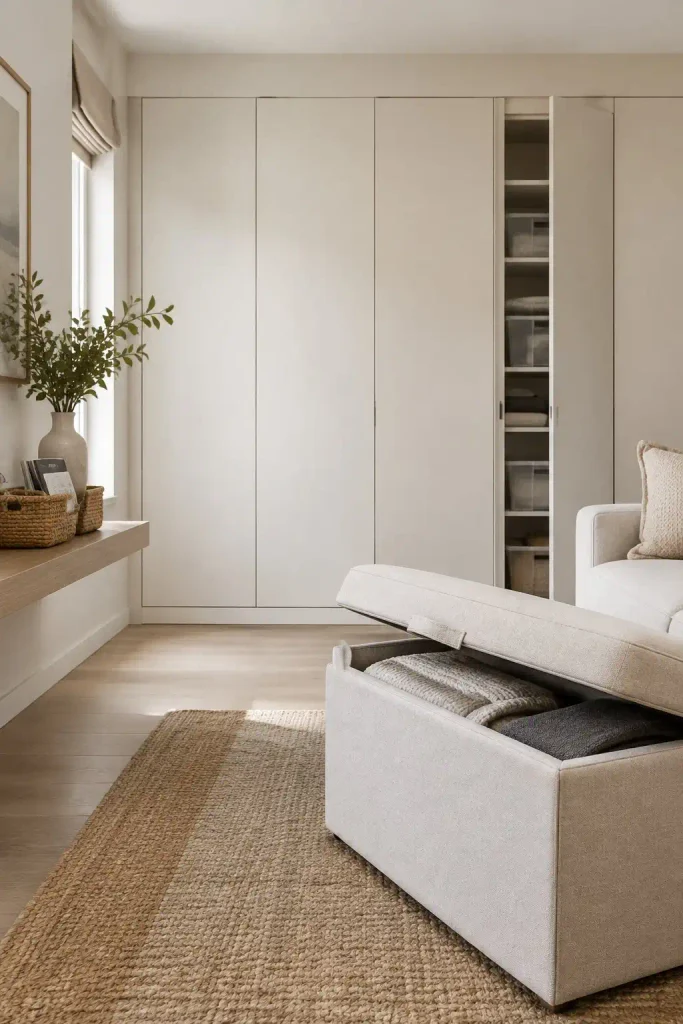
Concealed storage helps keep items out of sight, maintaining a clean look. Examples include built-in cabinets with doors that match the wall color. This makes storage disappear visually and keeps clutter hidden.
Other options are ottomans or benches with hinged lids. These provide space to store blankets, magazines, or toys while still offering seating. Floating shelves with baskets can also hold small items and keep surfaces clear.
Clear storage bins inside cabinets or closets organize belongings but don’t add visual bulk. Keeping everyday items behind doors or inside furniture supports a minimalist style by reducing visible clutter.
Multi-Functional Furniture
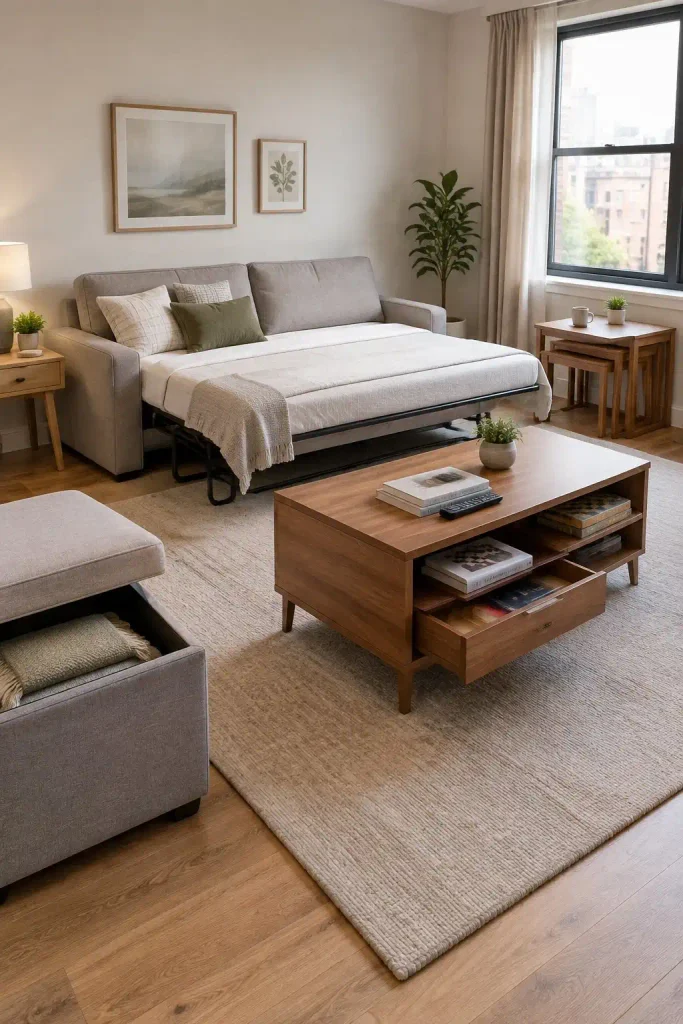
Furniture that serves more than one purpose maximizes space and cuts down on clutter. A coffee table with drawers or shelves offers room for books, remotes, or games without extra pieces.
Sofa beds and fold-out chairs provide seating and sleeping options without filling extra space. Nesting tables give flexible surface area when needed, then tuck away to open the room.
Using furniture with hidden compartments, such as storage beds or side tables with drawers, keeps items organized without adding new storage units. This approach makes the living room functional and tidy.
Personalizing Minimalist Spaces
Minimalist living rooms stay calm and uncluttered while reflecting the occupant’s style. Thoughtful touches like art and plants add warmth and character without crowding the space.
Incorporating Art Pieces
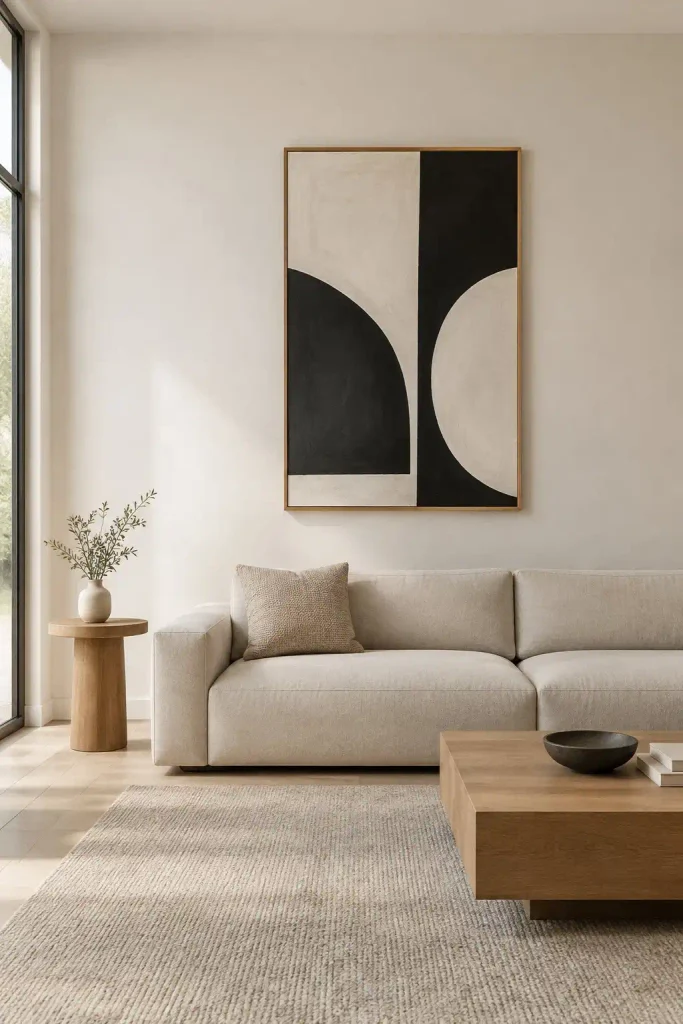
Choosing the right art can give a minimalist room a strong focal point. Simple, bold pieces work best, such as black-and-white photography or abstract prints with clean lines.
Avoid overcrowding the walls. One or two well-placed frames can create impact without disrupting the room’s calm. Frames in neutral colors like black, white, or natural wood keep the look consistent.
Placement is key. Position artwork near seating or above low-profile furniture to draw the eye naturally. Large pieces can replace many small items, helping maintain minimal visual noise.
Adding Greenery
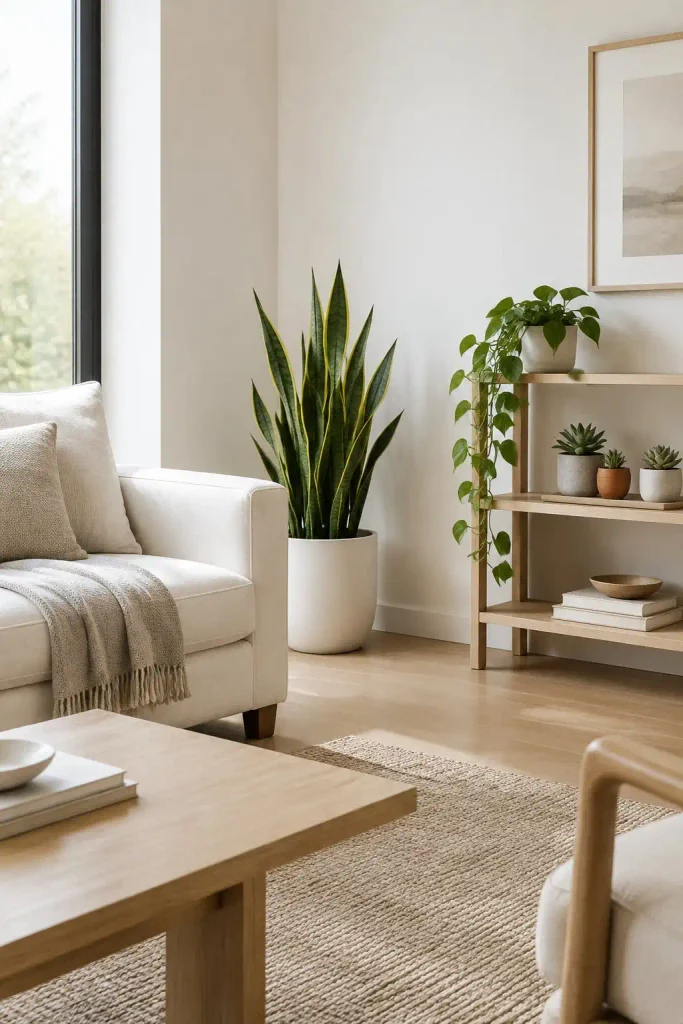
Plants bring life and color to minimal rooms while preserving simplicity. Choose low-maintenance species like snake plants, succulents, or pothos to avoid clutter from overgrowth or frequent care.
Use simple, modern pots that match the room’s color palette, such as matte white, concrete, or ceramic in earth tones. Avoid overly decorative containers to keep the focus on the plant’s shape and texture.
Place plants strategically—in corners, on shelves, or next to furniture—to fill empty space without crowding. A single large plant or a few small ones grouped together can provide a natural touch without overpowering the design.
Sustainable and Eco-Friendly Minimalist Designs
Creating a minimalist living room with sustainability in mind means choosing the right materials and lighting. These elements help reduce environmental impact while maintaining a clean and simple look. Thoughtful selection in both areas supports an eco-friendly space that feels modern and calm.
Eco-Conscious Materials
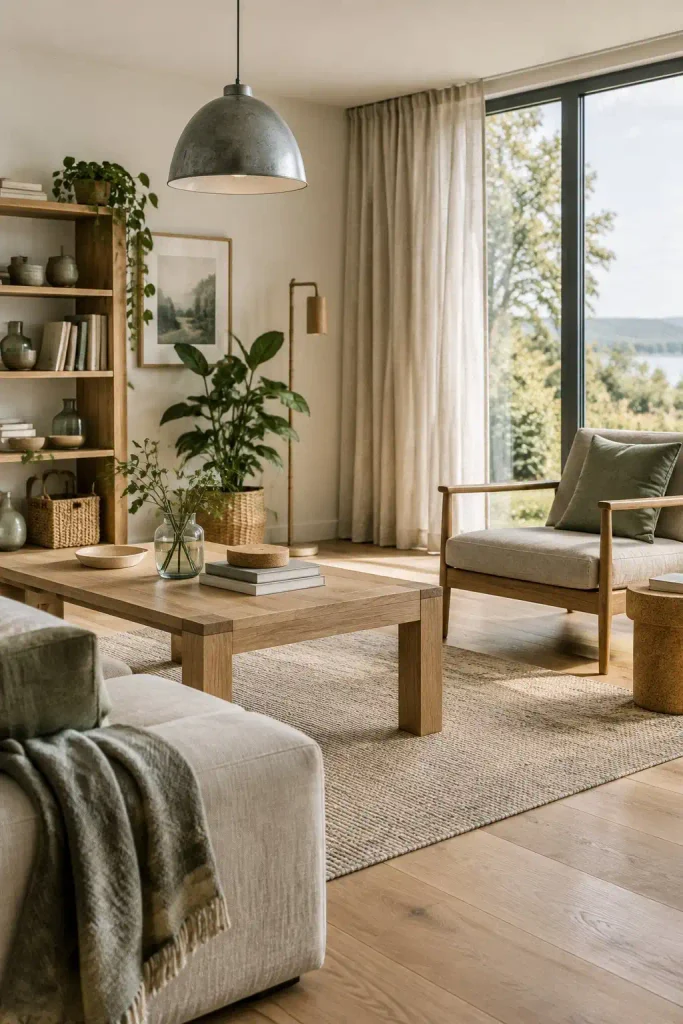
Using sustainable materials is key for an eco-friendly minimalist design. Natural woods from certified forests provide durability and warmth without harming the environment. Bamboo and cork are fast-growing alternatives that offer strength and style.
Recycled metal, glass, and fabric also reduce waste while adding unique textures. Organic cotton or linen for cushions and curtains avoid harmful chemicals and last longer.
Choosing durable items minimizes the need for frequent replacements. This approach helps keep the room clutter-free and lowers environmental harm over time.
Energy-Efficient Lighting
Lighting has a big effect on both the mood and energy use of a room. LED bulbs are the best choice because they use less electricity and last much longer than regular bulbs.
Maximizing natural light reduces the need for artificial lights during the day. Large windows or sheer curtains brighten the room while keeping it cozy.
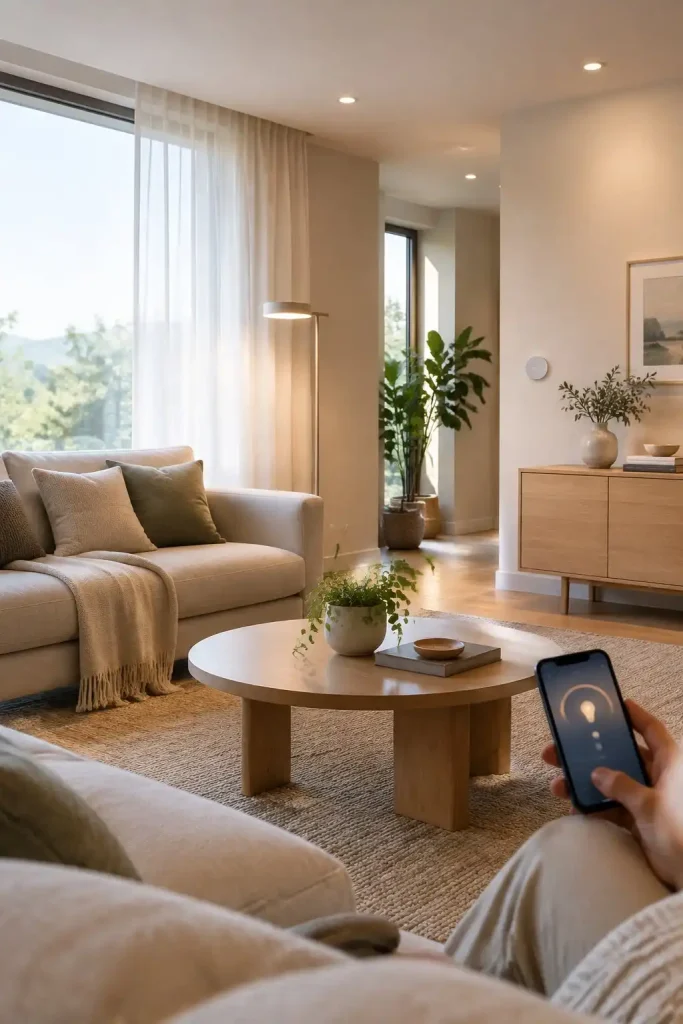
Incorporating smart lighting systems allows better control over brightness and scheduling. This prevents unnecessary energy waste and maintains a balanced, minimal style with soft, efficient illumination.
Mistakes to Avoid in Minimalist Living Room Design
One common mistake is over-accessorizing. Too many decorations can clutter the space and counteract minimalism’s goal of simplicity. It’s better to choose a few key pieces that match the room’s style and purpose.
Another error is creating a space that feels cold or uninviting. Minimalism should balance simplicity with warmth. Using soft textures, warm colors, or plants can help make the room feel cozy without cluttering it.
People often ignore scale and furniture size. Large furniture can overwhelm a small room, while tiny pieces may seem out of place. Selecting the right size keeps the room functional and visually balanced.
A third mistake is leaving walls too bare or lifeless. Minimalism doesn’t mean walls must be empty. A single art piece or a subtle wallcovering can add interest while maintaining simplicity.
The wrong choice of furniture, like a mismatched coffee table, can disrupt the flow and make the room look disjointed. Furniture should be sleek, functional, and fit well together.
Finally, poor lighting design may make the space feel dark or dull. Minimal design works best with good natural and artificial lighting to maintain openness and comfort.